Whimsical Floral Animals Portraits Clipart: A Guide to Elevating Your Designs
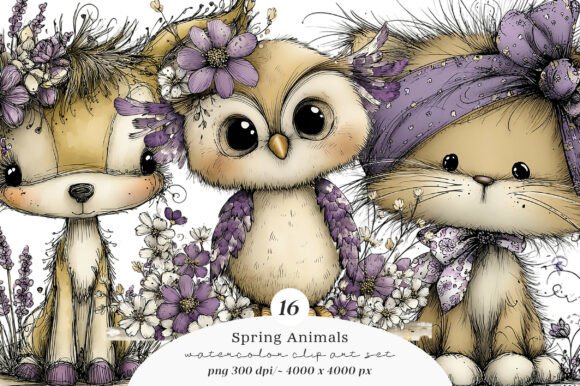
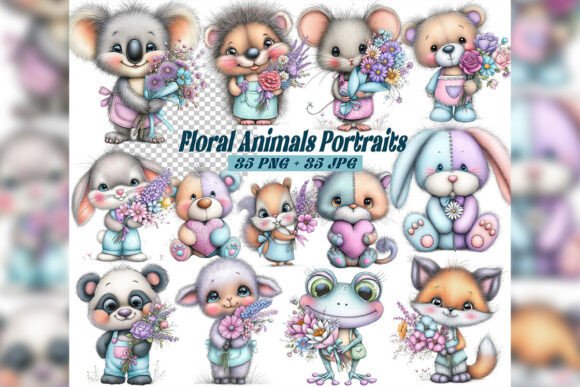
Adding an elegant and charming touch to your creative projects often comes down to the quality of the assets you choose. When you are designing nursery wall art, baby shower invitations, or greeting cards, the imagery sets the emotional tone for the entire piece. This is where a collection like Whimsical Floral Animals Portraits Clipart becomes invaluable. These illustrations feature adorable animals in portrait-style compositions, surrounded by beautiful flowers and hand-painted with a soft watercolor style. The result is a cozy, nursery-inspired aesthetic that brings a peaceful, storybook atmosphere to any design.
However, simply downloading a cute image does not guarantee a professional result. Many creators, from hobbyists to small business owners, make common mistakes when selecting and applying digital clipart. These errors can compromise the visual integrity of your work, limit your commercial potential, or lead to wasted time fixing avoidable technical issues. Understanding how to properly evaluate and use these assets ensures your final product looks as polished and high-quality as intended.
The Hidden Pitfalls of Low-Resolution Assets
One of the most frequent misunderstandings among beginners is assuming that all "high-quality" digital downloads are created equal. You might find images online that look sharp on a screen but fall apart when printed. This is a critical distinction for anyone planning sublimation projects, stickers, or large-format prints like classroom decor.
If you use low-resolution files for physical products, the results will be pixelated and blurry. This directly affects the perceived value of your brand or craft. A customer holding a sticker with jagged edges or a flyer with fuzzy details will likely question the professionalism of the creator. To avoid this, always verify the specifications before purchasing. The Whimsical Floral Animals Portraits Clipart bundle addresses this by offering files at 300 DPI and 4096 x 4096 pixels. These dimensions ensure that whether you are printing a small planner sticker or a large canvas print, the watercolor textures remain crisp and the floral details stay intact.
Practical Advice: Before you buy any digital asset, check the pixel dimensions and DPI. If the listing does not explicitly state "300 DPI" or provide the exact pixel count, assume it may not be suitable for professional printing. Always download a preview file if available to test the resolution on your own device before committing to a purchase.
Navigating File Formats and Backgrounds
Another area where creators often stumble is misunderstanding the difference between PNG and JPG formats, particularly regarding backgrounds. A common mistake is trying to remove a white background from a JPG file using basic editing tools. This process often leaves behind halos, rough edges, or color artifacts that ruin the soft, dreamy quality of watercolor art.
When working with delicate subjects like floral animal portraits, the transparency of the background is essential for layering. If you place an image with a hard white square behind it onto a colored invitation or a textured scrapbook page, it will look amateurish and disrupt the flow of your design. The solution is to prioritize bundles that include both transparent PNG files and white-background JPG options.
The Whimsical Floral Animals Portraits Clipart collection provides both formats. Use the PNG files with transparent backgrounds for overlaying images onto complex designs, such as children's book pages or layered greeting cards. Reserve the JPG files with white backgrounds for situations where you need a solid base, such as certain types of digital mockups or when the software you are using struggles with transparency.
- Check the format list: Ensure the download includes PNGs for transparency.
- Avoid manual cutting: Do not waste hours trying to cut out images meant to have transparent backgrounds; buy them ready-to-use.
- Test compatibility: Open the files in your specific design software (Canva, Photoshop, Procreate) immediately after downloading to ensure they behave as expected.
Understanding Commercial Use and Licensing
For entrepreneurs and small business owners, the legal aspect of using digital art is often overlooked until it is too late. A frequent error is assuming that because an image is digital, it is free to use for unlimited commercial gain. This misunderstanding can lead to copyright strikes, lost revenue, or damaged reputations.
It is vital to read the license agreement carefully. Some clipart bundles restrict usage to personal projects only, while others allow for limited commercial use, such as creating up to 500 items for sale. Using a "personal use only" asset on a product you sell on Etsy or Amazon is a violation of terms that can cost you more than the price of a proper license.
This specific collection is designed to be commercial-use friendly, making it suitable for personal and small business ventures. However, "small business use" often has specific definitions depending on the seller. It usually means you can incorporate the art into products you sell, but you cannot resell the raw digital files themselves. For example, you can sell a t-shirt featuring the bunny illustration, but you cannot put the PNG file in a zip folder and sell it as a "clipart pack."
Better Approach: Keep a record of your purchase receipt and the license terms. If you plan to scale your business significantly, contact the artist to discuss extended licensing. Never guess on legal permissions; clarity protects your business.
Matching Aesthetics to Your Project Goals
Finally, a subtle but impactful mistake is choosing art that clashes with the overall mood of your project. Watercolor art has a specific texture and softness. Placing it alongside harsh, vector-based graphics or neon colors can create a disjointed visual experience. The charm of the Whimsical Floral Animals Portraits Clipart lies in its cohesive, cozy, and elegant style.
To maximize the impact of these illustrations, pair them with complementary fonts and color palettes. Soft serifs, handwritten scripts, and pastel tones work beautifully with the hand-painted aesthetic. Avoid pairing these gentle images with aggressive, blocky typography unless you are intentionally going for a high-contrast artistic statement.
Whether you are designing seasonal creative projects, DIY crafts, or educational materials for the classroom, consistency is key. By ensuring the style of the clipart aligns with your other design elements, you create a unified and professional presentation that resonates with your audience.
In summary, the right digital assets can transform a good idea into a stunning reality. By paying attention to resolution, file formats, licensing terms, and aesthetic harmony, you can avoid common pitfalls and produce work that truly shines. With high-quality resources like this watercolor floral animal bundle, you have everything you need to bring a peaceful, storybook-inspired atmosphere to your next creative endeavor.